Brand Identity Design
Closing the gap between how good your business is and how good it looks to the market.
Closing the gap between how good your business is and how good it looks to the market.
Plenty of good businesses carry a gap between how good they are and how good they look. The team is experienced, the work is strong, the clients are happy, and the identity still looks like it was made when the business was three people in a serviced office. Every time that business pitches against a bigger competitor, the identity is the first thing a buyer compares.
Brand identity design is the development of the visual and verbal assets that tell the market who a business is before a conversation takes place: the logo, the wordmark, the colour palette, the typography, the imagery and the tone of voice, and the system that keeps them working together. Some people call it brand appearance, some call it visual identity or corporate identity. At Di Marca it is the clothes the brand wears, and it is built on the strategy underneath.
Most brand identity projects begin with aesthetics and work backwards. The result is a visual system that looks considered and carries no weight, because nothing was decided before the design started.
Di Marca builds identity on the Brand Bullseye™. The strategy settles what the business stands for, who it is for and what it sounds like; the identity gives that a face. The logo is only the recognisable wrapper; the system is what keeps the wrapper consistent as the business grows, adds locations or enters new markets.
Di Marca works iteratively. A discovery workshop shares research and best-practice examples from around the world and opens a visual conversation about the directions the strategy could take. The identity is developed from there, starting with the logo and working out to how every element behaves across print and digital.
The commercial case breaks across three dimensions:
A strategy-first approach produces structural assets that scale with corporate growth across multiple cycles. Organisations that bypass this foundation spend continuously on tactical reworks and disjointed creative execution, with no compounding return on the investment.
An identity built on clear positioning grows in value as the market comes to recognise it. A generic identity, however well drawn, keeps a business interchangeable with its competitors.
A distinct, consistent identity gives a sales team room to hold their pricing. A dated or disjointed one leaves them arguing on price, because there is nothing else to point to.
A brand identity engagement moves from strategy through design to a system the business can run.
The Brand Bullseye™ workshops with leadership settle the position, the character and the key messages the identity has to carry. Where a Bullseye already exists, this phase reviews it.
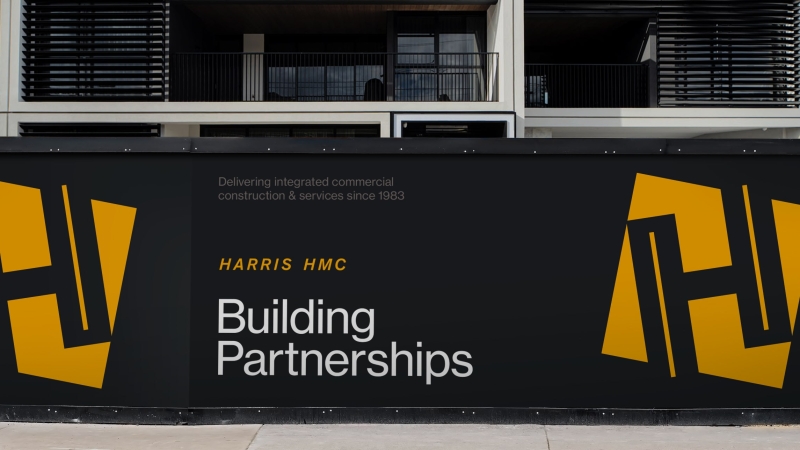
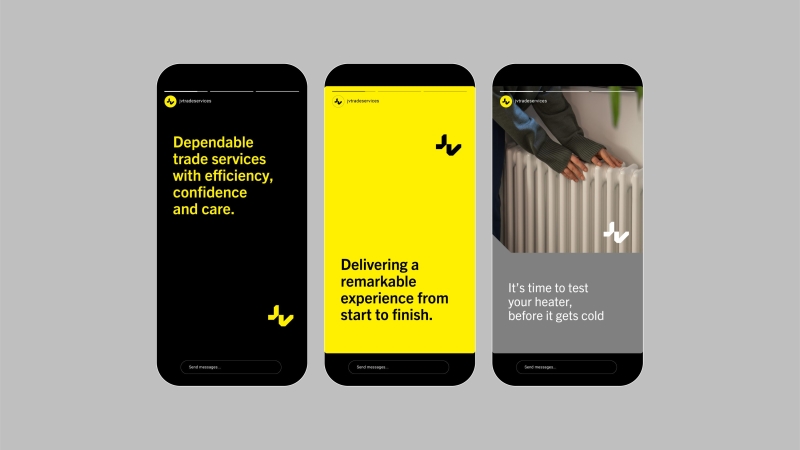
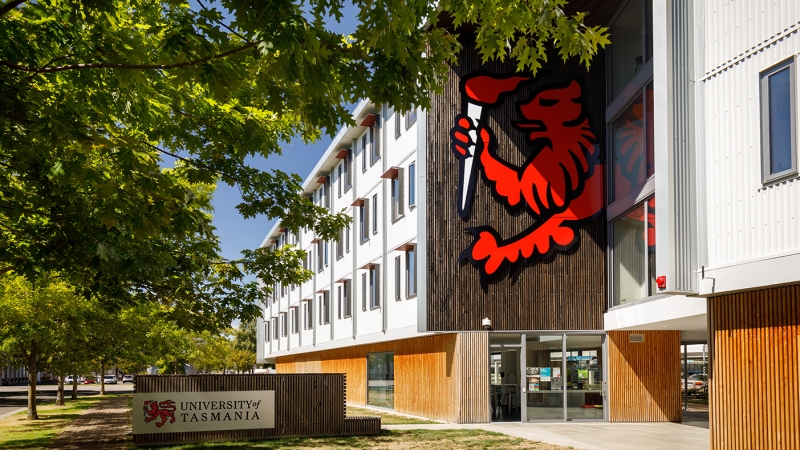
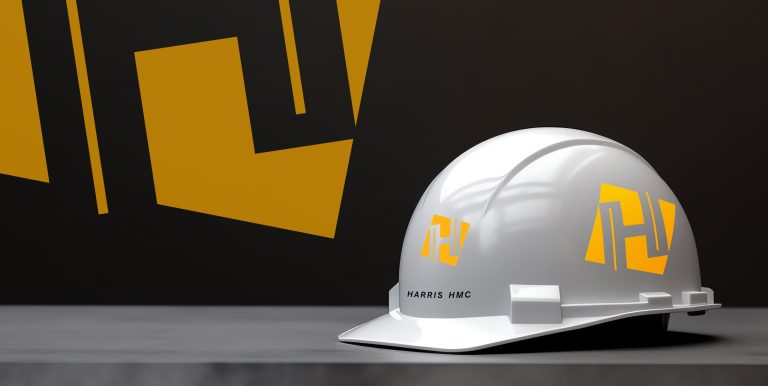
The discovery workshop sets the visual direction. Di Marca then develops the logo and wordmark, colour palette, typography, imagery style and tone of voice, testing each element across the applications the business uses, from a favicon to the front of a building.
The finished identity is delivered as a complete file set with brand guidelines, in the format the business will use (digital portal, printed manual or PDF), so internal teams and suppliers can apply it consistently without coming back for every new use.
Yes. Di Marca calls it brand appearance because an identity is rarely met on its own; it arrives with words, images, colours and graphics around it, and the combination of all of them is what the market recognises. Brand identity, visual identity and corporate identity (or CI design) describe the same work.
A complete system. A brand identity engagement delivers the rationale behind the identity, the logo and wordmark, colour, typography, imagery direction and tone of voice, the guidelines for using them and the full set of files needed for rollout.
A wordmark uses typography alone to represent the name. A symbol logo pairs the name with a separate mark. Which one suits a business depends on the name, the category and how the identity will be used, and it is decided in the discovery workshop, not assumed.
Disagreement over an identity is usually a sign the strategy was not settled first. When the Brand Bullseye™ is agreed before concepts are shown, stakeholders evaluate options against the same criteria, which narrows the debate to what serves the position instead of personal taste.
Four to six weeks for the identity design after the strategy is settled, then four to six weeks for guidelines. Strategy plus identity starts at $30,000 to $40,000 and goes up with the scope of the rollout.
If the current identity is not reflecting the quality of the business behind it, the gap is a strategic problem, not a creative one. Di Marca solves it in that order.
Speak with Di Marca’s senior directors to align your talent acquisition goals with a proven strategic framework.